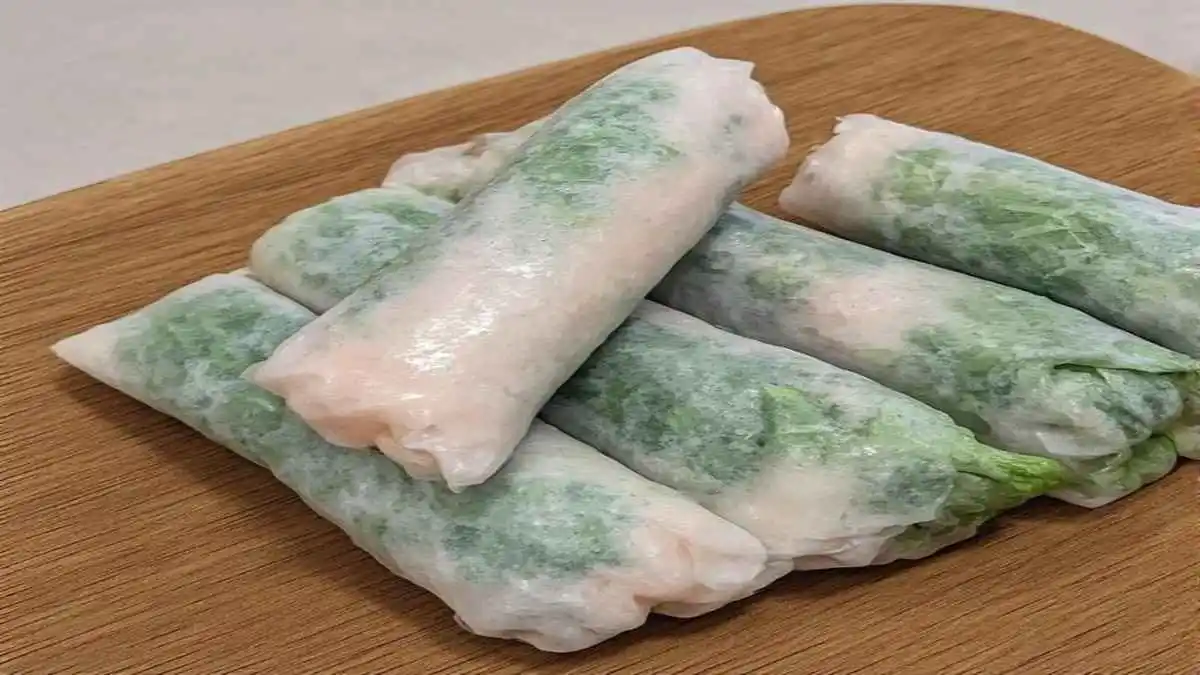
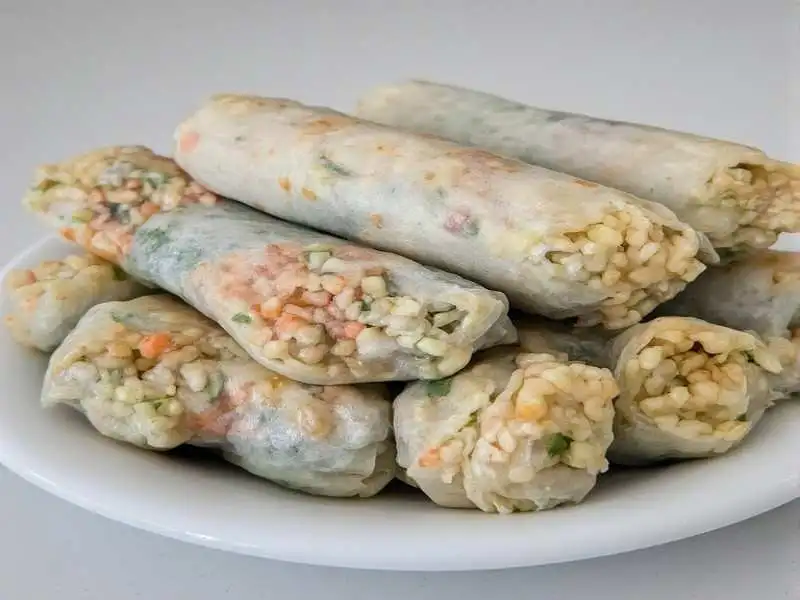
Vietnamese Spring Rolls are fresh, colorful, and packed with crunchy vegetables, herbs, and delicious protein wrapped in soft rice paper. They are light yet satisfying, making them perfect for lunch, dinner, or party appetizers. These rolls are popular because they combine healthy ingredients with amazing texture and flavor. The fresh herbs bring brightness while the dipping sauce adds a rich and savory finish. You can easily customize them with shrimp, chicken, tofu, or only vegetables. Unlike fried snacks, these rolls feel refreshing and clean. They are simple to prepare at home and look beautiful when served on a platter for family or guests.
Why You’ll Love This Recipe
This recipe is perfect for anyone who wants a quick, healthy, and flavorful meal without spending hours in the kitchen. Vietnamese Spring Rolls are naturally fresh, colorful, and easy to customize based on your taste preferences. You can prepare them ahead of time for meal prep, parties, or light dinners. The combination of crisp vegetables, soft rice paper, and tasty filling creates an irresistible texture in every bite. They are also a great option for warm weather because they do not feel heavy. Whether you enjoy seafood, chicken, or vegetarian dishes, this recipe works beautifully and delivers restaurant-style results at home.
How To Make
Making Vietnamese Spring Rolls is easier than many people think. Start by preparing all the fillings before soaking the rice paper. Thinly sliced vegetables, cooked noodles, fresh herbs, and protein should be ready on a clean plate. Dip the rice paper in warm water for a few seconds until soft. Place the filling in the center and fold the sides tightly before rolling. The key is not to overfill the wrapper because it may tear. Serve the rolls immediately with peanut sauce or sweet chili sauce for the best flavor. Fresh ingredients and gentle rolling help create perfect spring rolls every time.
What’s the Best Way to Cook
Vietnamese Spring Rolls are traditionally not cooked after rolling because they are designed to be fresh and light. The shrimp, chicken, or tofu should already be fully cooked before assembling. The rice paper only needs a quick soak in warm water to soften properly. Avoid soaking too long because the wrapper can become sticky and difficult to handle. If you prefer a crispy texture, you can lightly pan-fry the rolls for a golden finish. However, the classic fresh version remains the most popular choice because it keeps the vegetables crunchy and the herbs vibrant while preserving the authentic Vietnamese flavor.
What to Serve With
These fresh spring rolls pair beautifully with flavorful dipping sauces and light side dishes. Peanut sauce is the classic option because its creamy texture complements the fresh vegetables perfectly. Sweet chili sauce also adds a balanced sweet and spicy flavor. You can serve the rolls with jasmine rice, Asian cucumber salad, or light noodle soup for a complete meal. Fresh iced tea or lime soda makes an excellent drink pairing. For parties, arrange the rolls on a large platter with different sauces so guests can enjoy multiple flavor combinations. Their colorful presentation instantly makes the table look fresh and inviting.
Watch Out for These Mistakes While
One common mistake is soaking the rice paper too long, which makes it sticky and fragile. Always dip it briefly because it continues softening after removal from water. Overfilling the rolls can also cause tearing and make rolling difficult. Another issue is using wet vegetables because excess moisture can ruin the texture. Pat vegetables dry before assembling. Rolling too loosely may cause the filling to fall apart during serving. Fresh herbs are important, so avoid skipping them because they provide authentic flavor. Finally, serve the rolls fresh because rice paper becomes chewy when left uncovered for too long after preparation.
Can You Freeze This
Freezing Vietnamese Spring Rolls is possible, but fresh rolls taste much better when served immediately. The rice paper wrapper tends to harden and lose its soft texture after thawing. If you still want to freeze them, wrap each roll individually with plastic wrap and store them in an airtight container. Thaw slowly in the refrigerator before serving. For better results, freeze only the cooked filling ingredients and prepare fresh rolls later. Fried spring rolls freeze more successfully than fresh rice paper rolls. Keeping the vegetables and herbs fresh before serving always gives the best flavor, texture, and overall eating experience.
Storage Tips
Store Vietnamese Spring Rolls in an airtight container lined with a slightly damp paper towel to keep the rice paper soft. Place another damp towel on top before sealing the container. Keep them refrigerated and enjoy within one or two days for the best taste and texture. Avoid stacking them directly because they may stick together. If needed, separate each roll with parchment paper. Dipping sauces should be stored separately to prevent sogginess. Fresh herbs and vegetables taste best when consumed quickly, so try not to keep the rolls too long. Proper storage helps maintain freshness and prevents the wrappers from drying out.
Directions
Prepare all vegetables, herbs, noodles, and protein before starting the rolling process. Fill a shallow bowl with warm water and dip one rice paper wrapper for a few seconds. Lay it flat on a clean surface and add the filling ingredients in the center. Fold the sides inward and roll tightly from the bottom upward. Repeat the process with the remaining wrappers and fillings. Arrange the finished rolls on a serving plate without touching each other. Serve immediately with peanut sauce, sweet chili sauce, or soy-based dipping sauce for the freshest flavor and texture.
Estimated Nutrition
Vietnamese Spring Rolls are generally low in calories and rich in fresh ingredients. One serving usually contains healthy carbohydrates from rice noodles and vegetables along with protein from shrimp, chicken, or tofu. Fresh herbs provide vitamins and antioxidants while keeping the dish light and refreshing. Depending on the filling and dipping sauce, one roll may contain around 90 to 140 calories. Peanut sauce can increase calories because of its creamy texture. These rolls are often lower in fat compared to fried snacks, making them a healthier option for lunch, appetizers, or light dinners while still feeling satisfying and flavorful.
Ingredients
Rice paper wrappers
Cooked rice noodles
Shrimp or chicken
Carrot slices
Cucumber strips
Lettuce leaves
Fresh mint leaves
Fresh cilantro
Warm water
Peanut sauce
Sweet chili sauce
Step 1
Wash and prepare all vegetables carefully before starting the recipe. Slice the carrots and cucumbers into thin strips so they fit easily inside the rice paper wrappers. Cook the shrimp or chicken completely and allow it to cool slightly before use. Prepare the rice noodles according to package instructions and drain them properly. Arrange every ingredient neatly on a large plate or tray because organized preparation makes the rolling process easier, cleaner, and faster while helping each spring roll look balanced and colorful when served.
Step 2
Fill a shallow bowl with warm water and dip one rice paper wrapper into the water for only a few seconds. Remove it carefully and place it on a clean flat surface or cutting board. The wrapper may still feel slightly firm at first, but it softens quickly while resting. Add lettuce, noodles, vegetables, herbs, and shrimp or chicken in the center. Keep the filling compact and avoid adding too much because overloaded wrappers can tear during the rolling process.
Step 3
Fold both sides of the rice paper inward over the filling to keep everything secure. Begin rolling tightly from the bottom upward while gently pressing the ingredients together inside the wrapper. Continue rolling until the spring roll is fully sealed and smooth on the outside. Repeat the same process with the remaining wrappers and filling ingredients. Place completed rolls on a plate with small gaps between them so they do not stick together. Proper rolling technique helps create neat, firm, and attractive spring rolls every time.
Step 4
Prepare the dipping sauce while the spring rolls rest for a few minutes before serving. Peanut sauce is a classic choice because its creamy texture balances the fresh vegetables and herbs perfectly. Arrange the rolls neatly on a serving platter and garnish with extra mint or cilantro for a beautiful presentation. Serve immediately for the best flavor and texture because fresh rice paper tastes softer and more enjoyable right after preparation. These rolls are ideal for parties, healthy lunches, light dinners, or refreshing appetizers during warm weather.
Vietnamese Spring Rolls
Equipment
- Mixing bowls
- Sharp knife
- Cutting board
- Large plate
- Shallow bowl for warm water
- Serving platter
Ingredients
- 10 rice paper wrappers
- 200 g cooked shrimp or chicken
- 1 cup cooked rice noodles
- 1 carrot thinly sliced
- 1 cucumber thinly sliced
- Lettuce leaves
- Fresh mint leaves
- Fresh cilantro
- Warm water for soaking
- Peanut sauce for serving
- Sweet chili sauce for serving