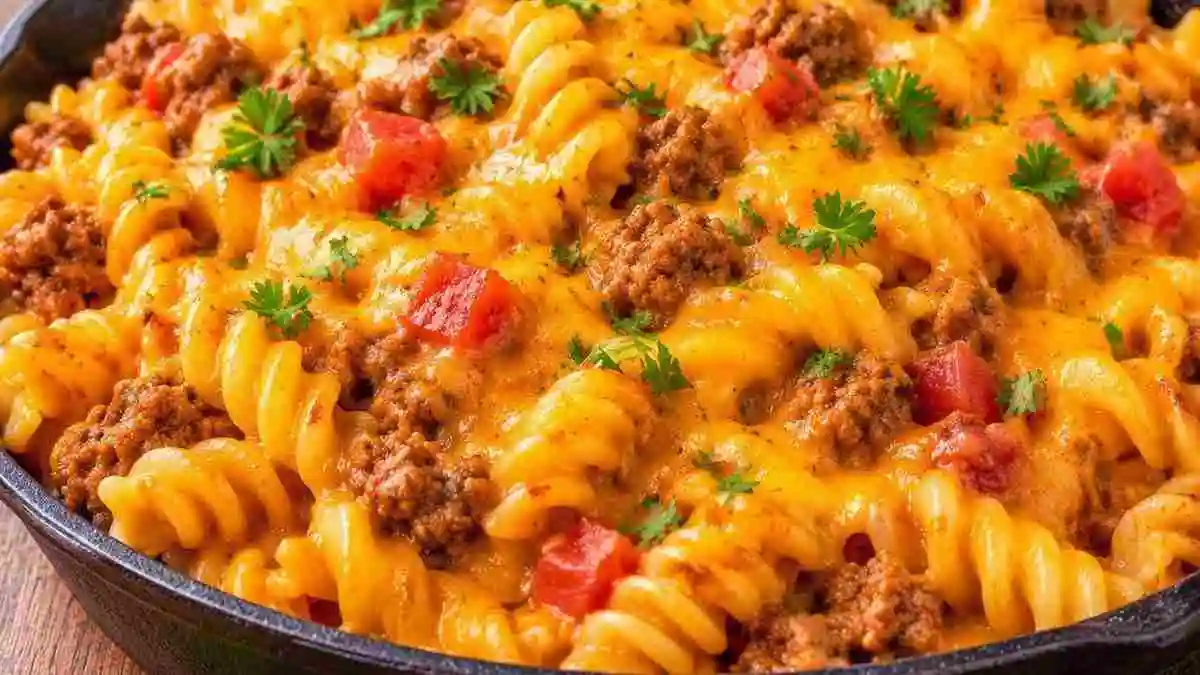
Finding a dinner that feels comforting without turning into a heavy meal can be tricky. That is where healthy casserole recipes come in. A good casserole can bring vegetables, lean protein, whole grains, and a flavorful sauce together in one easy dish.
I started paying more attention to casseroles when weeknight dinners became less predictable. One dish could be prepared ahead, baked when needed, and still leave enough for lunch the next day. That little bit of planning made a noticeable difference.
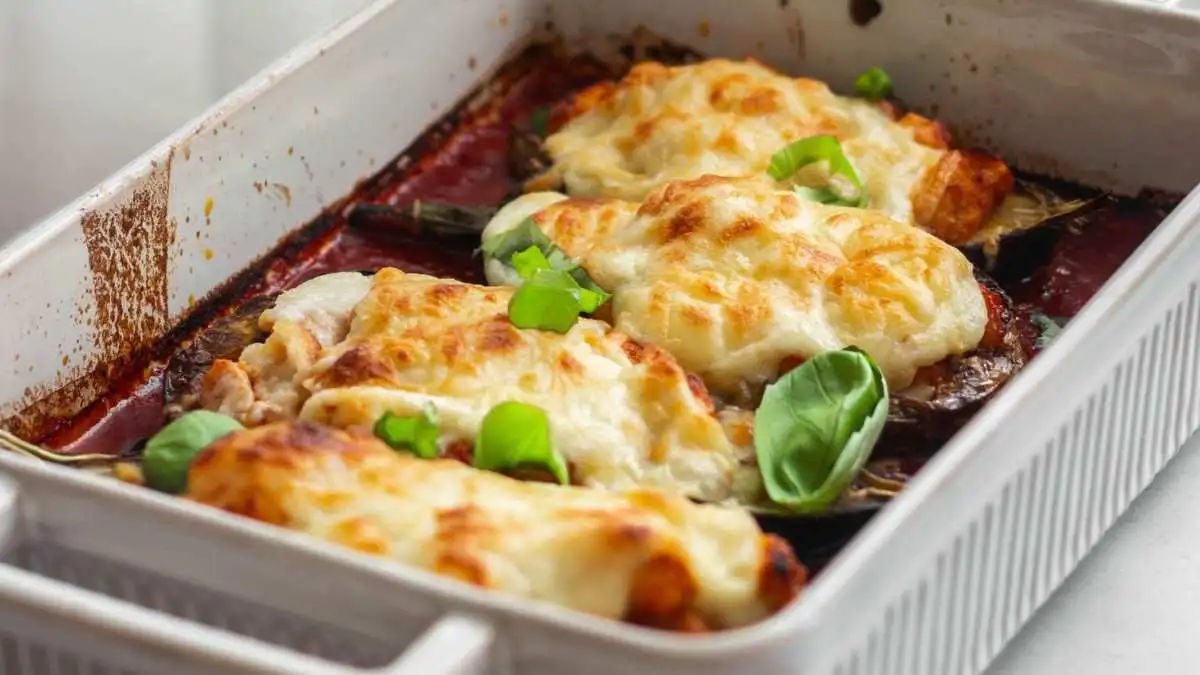
This collection focuses on practical meals rather than complicated ingredients. You will find ideas for vegetarian casseroles, healthy ground beef casserole recipes, chicken dishes, rice-based meals, and simple family dinners.
The goal is simple: food that tastes comforting, stores well, and does not require a sink full of dishes afterward.
Why You’ll Love These Recipes
- Easy for busy nights: Most casseroles can be assembled ahead and baked when dinner gets close.
- Family-friendly: Familiar ingredients such as chicken, ground beef, rice, vegetables, and cheese make them easy to serve.
- Flexible: You can often change the protein, vegetables, grains, or seasonings based on what you have.
- Great for leftovers: Casseroles often reheat well, making them useful for meal prep and packed lunches.
What Makes a Healthy Casserole So Good?
The best casseroles are about balance. You do not need to remove everything creamy or cheesy to make a satisfying meal.
Start with a useful base such as brown rice, quinoa, potatoes, whole-grain pasta, or beans. Add a good source of protein, then build in vegetables for color, texture, and flavor.
A simple sauce also matters. Greek yogurt, tomato sauce, broth-based mixtures, or a small amount of cheese can bring everything together without making the dish feel overly rich.
And then there is texture. A casserole should not come out as one soft, uniform layer. Roasted vegetables, toasted breadcrumbs, crunchy seeds, or a little melted cheese on top can make each bite more interesting.
Healthy Casserole Recipes to Try
1. Healthy Chicken and Rice Casserole
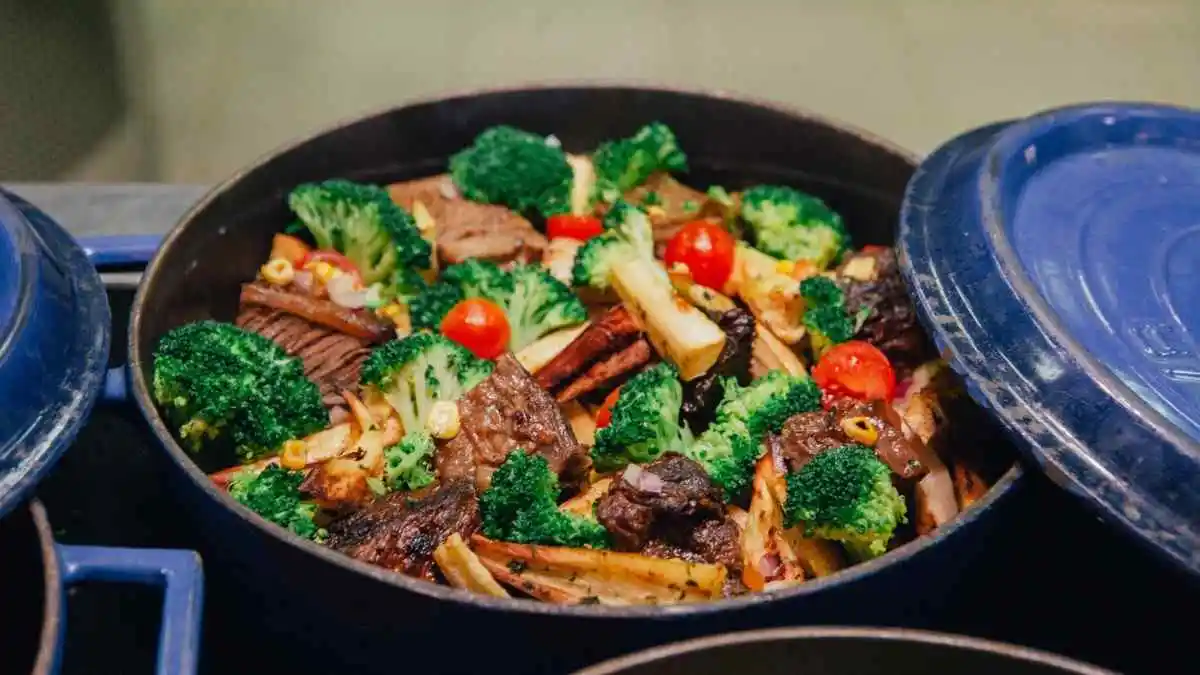
Chicken and rice is one of those combinations that rarely needs much explanation. Use cooked chicken, brown rice, broccoli, carrots, onions, and a light creamy sauce for a filling family dinner.
This is also a good place to use leftover roasted chicken. The rice absorbs the sauce while the vegetables soften in the oven.
2. Healthy Ground Beef Casserole
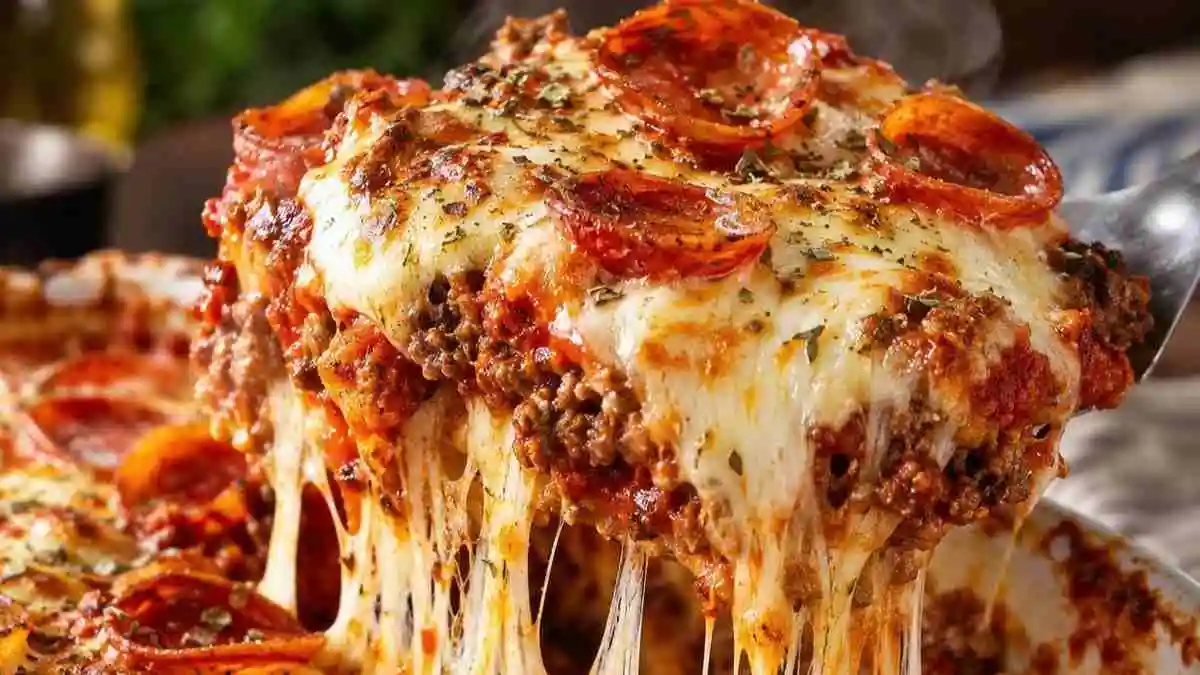
Ground beef can work beautifully in a lighter casserole when it is paired with plenty of vegetables and a sensible portion of cheese.
Try lean ground beef with tomatoes, bell peppers, onions, black beans, and brown rice. Add chili powder, cumin, garlic, and paprika for a simple Southwestern-style dinner.
For healthy ground beef casserole recipes, draining excess fat after browning the meat can make the finished dish noticeably lighter.
3. Simple Ground Beef Casserole With Few Ingredients
Some nights call for something much simpler.
Brown lean ground beef with onion, then combine it with tomato sauce, cooked potatoes or rice, and a modest layer of shredded cheese. It is basic food, but that is often exactly what works on a busy evening.
You can add frozen peas or chopped spinach without making the recipe complicated.
4. Healthy Vegetarian Casserole
A vegetarian casserole does not have to feel like a side dish.
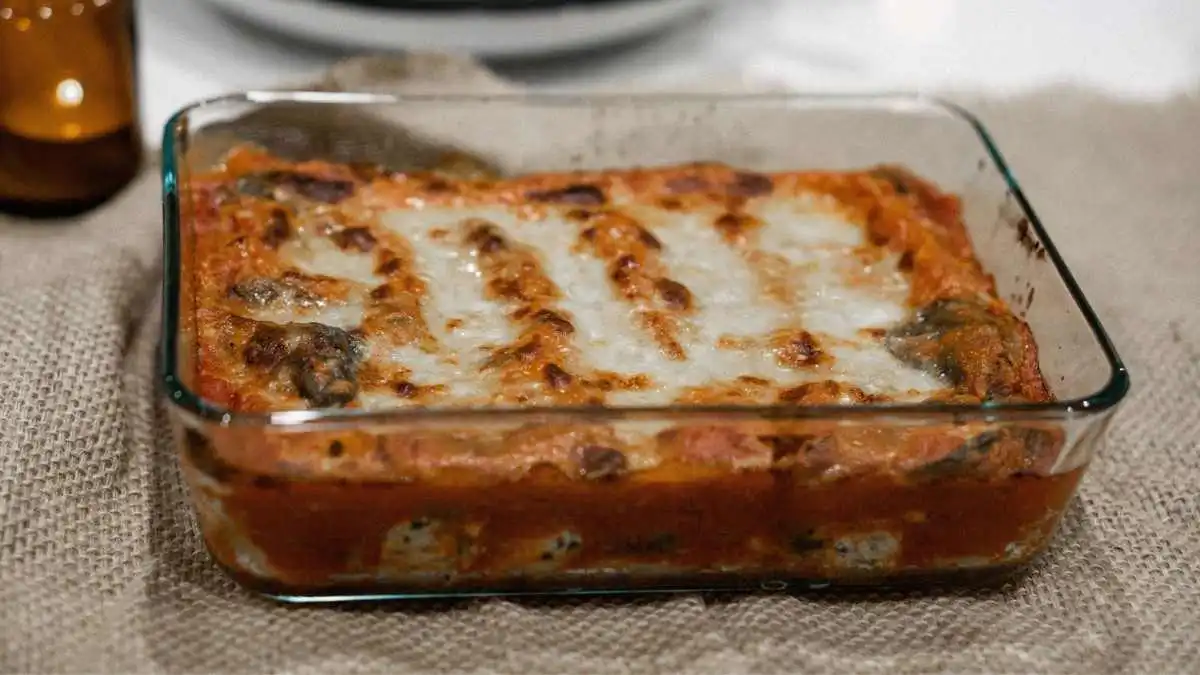
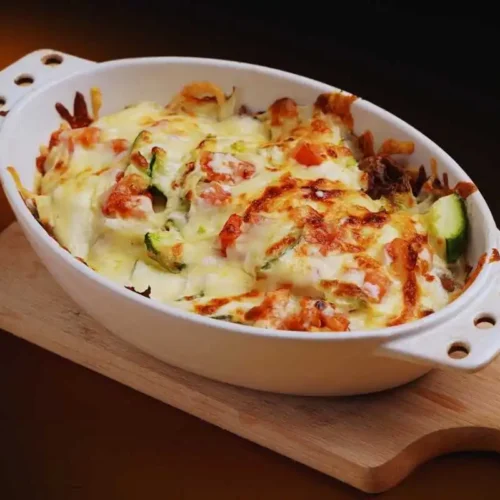
Black beans, quinoa, corn, zucchini, bell peppers, tomatoes, and a little shredded cheese can make a hearty combination. A spoonful of salsa or enchilada sauce adds moisture and flavor.
This is also an easy way to use vegetables that are sitting in the refrigerator.

5. Chicken Broccoli Casserole
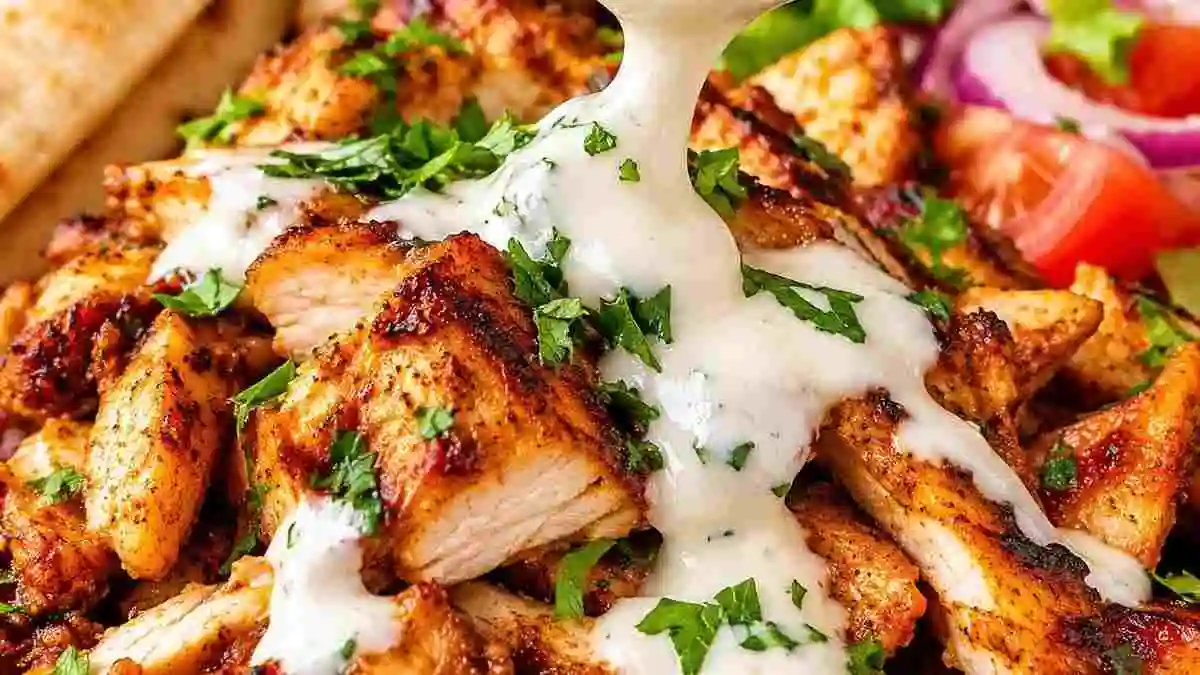
Chicken and broccoli make a dependable pair for a reason. The mild flavor of the chicken gives the broccoli room to stand out, while a light cheese or yogurt-based sauce ties everything together.
For a healthier version, use cooked chicken breast, plenty of broccoli, whole-grain rice, and a modest amount of cheddar.
6. Ground Beef Casserole With Rice
If you want a complete meal in one baking dish, ground beef with rice is a practical option.
Combine browned beef with cooked rice, diced tomatoes, onions, bell peppers, and seasonings. A small amount of mozzarella or cheddar on top adds enough richness without covering up the other ingredients.
It is especially useful when you have leftover rice that needs a second life.
Ingredients That Work Well in Healthy Casseroles
Main Ingredients
Keep a few flexible ingredients available and you can build several different casseroles without following the same recipe every time.
- Cooked chicken or lean ground beef
- Brown rice or quinoa
- Black beans or other beans
- Broccoli, spinach, zucchini, or cauliflower
- Bell peppers and onions
- Diced tomatoes or tomato sauce
- Greek yogurt
- Shredded cheddar or mozzarella
- Garlic, paprika, cumin, Italian seasoning, or chili powder
Ingredient Notes
Fresh vegetables are excellent, but frozen vegetables are completely practical for casseroles. There is no need to thaw every frozen vegetable first unless the recipe specifically requires it.
For protein, leftover chicken and lean ground beef both work well. Turkey can also replace beef in many recipes.
When using cheese, stronger varieties such as sharp cheddar can give you plenty of flavor with a smaller amount.
Best Toppings for a Healthy Casserole
The topping can change the entire dish.
For a crunchy finish, try whole-grain breadcrumbs, crushed whole-grain crackers, chopped nuts, or pumpkin seeds.
For something simple, sprinkle a small amount of cheese over the top during the final part of baking.
Fresh herbs, sliced green onions, cilantro, or parsley are useful after baking because they add freshness to an otherwise warm and hearty dish.
How to Make a Basic Healthy Casserole
Step 1: Prepare the Ingredients
Cook raw meat before adding it to most casseroles. Chop vegetables into similar-sized pieces so they cook more evenly.
If you are using rice or another grain, check whether it should be cooked beforehand. This depends on the individual recipe.
Step 2: Build the Mixture
Combine the protein, vegetables, grain, sauce, and seasonings in a large bowl.
Do not drown the ingredients in sauce. You need enough moisture to keep the casserole tender, but too much can make the final dish watery.
Step 3: Bake
Transfer everything to a lightly greased baking dish and spread it into an even layer.
Bake according to the recipe until the center is hot and the edges are bubbling. If cheese is being used, it should be melted and lightly golden.

Step 4: Rest and Serve
Give the casserole about 5–10 minutes to rest after baking.
That short pause helps the sauce settle and makes serving much easier.
Personal Kitchen Observation
One thing I learned from making casseroles is that the oven does not fix everything. If the vegetables release too much water or the sauce starts out overly thin, the finished dish can become soft and loose. I get better results when vegetables are chopped fairly small and wet ingredients are measured rather than poured in by eye. It takes only an extra minute during preparation, but the texture after baking is much more dependable.
My Pro Tips & Kitchen Notes
Do not overload the dish with vegetables. Too many watery vegetables can release moisture and make the casserole soggy. Balance them with grains, beans, or protein.
Brown ground beef first. This develops deeper flavor and lets you remove excess fat before the casserole goes into the oven.
Use cooked grains when appropriate. Pre-cooked rice or quinoa gives you better control over moisture and cooking time.
Season every major component. A casserole can taste bland when all the seasoning is added to the sauce alone.
Let it rest before cutting. The ingredients need a few minutes to settle, which helps the casserole hold its shape.
Make-Ahead Tips
Most casseroles are excellent make-ahead meals.
Assemble the dish earlier in the day, cover it, and refrigerate until you are ready to bake. If the casserole is going directly from the refrigerator into the oven, allow extra baking time because the center starts cold.
For meal prep, divide cooled portions into airtight containers. They can generally be refrigerated for several days when handled and stored properly.
Alternative Cooking Methods
Slow Cooker
Some casserole-style meals can be adapted for a slow cooker, particularly chicken, beef, beans, and vegetable combinations. Keep crunchy toppings and fresh herbs for the end.
Skillet
For a faster dinner, prepare the entire mixture in an oven-safe skillet. You can finish it under the broiler if the recipe includes cheese.
Air Fryer
Small portions can sometimes be reheated in an air fryer. This is especially useful when you want the top to become slightly crisp again.
Recipe Variations
- High-protein: Add extra chicken, turkey, lean beef, beans, or Greek yogurt.
- Vegetarian: Replace meat with black beans, lentils, chickpeas, mushrooms, or extra vegetables.
- Lower-carb: Reduce rice or pasta and increase cauliflower, broccoli, zucchini, or mushrooms.
- Kid-friendly: Keep the seasoning mild and use familiar ingredients such as chicken, cheese, corn, and rice.
- Mediterranean-style: Try chicken, spinach, tomatoes, chickpeas, feta, garlic, and oregano.
Ingredient Swaps
| Instead of | Try Using |
| Brown rice | quinoa, farro, or cauliflower rice |
| Chicken | lean ground turkey |
| Ground beef | ground turkey or lentils |
| Greek yogurt | plain sour cream |
| Cheddar | Monterey Jack or mozzarella |
| Black beans | pinto beans or kidney beans |
| Fresh broccoli | frozen broccoli |
| Tomato sauce | crushed tomatoes with seasoning |
Common Mistakes to Avoid
Using too much liquid: Excess sauce can leave the casserole watery. Measure wet ingredients carefully.
Skipping seasoning: Mild ingredients need enough herbs and spices to develop flavor.
Overcooking chicken: Already-cooked chicken only needs to heat through. Baking it too long can make it dry.
Cutting immediately: Give the casserole a few minutes to rest before serving.
What to Serve With Healthy Casseroles
A complete casserole may not need much on the side.
For lighter meals, serve it with a simple green salad, roasted vegetables, or steamed broccoli. A cucumber and tomato salad adds a fresh contrast to richer casseroles.
For a heartier dinner, whole-grain bread or a small side of roasted potatoes can work well.
Water with lemon, unsweetened iced tea, or sparkling water are simple drink choices.
Storage & Freezing Tips
Allow leftovers to cool before refrigerating them in airtight containers.
Many casseroles can be refrigerated for about 3–4 days when stored properly. For longer storage, freeze individual portions in freezer-safe containers.
Thaw frozen portions in the refrigerator before reheating when possible. Reheat until the center is thoroughly hot, adding a small splash of broth or sauce if the casserole has dried out.
Estimated Nutrition
Nutrition varies considerably between casserole recipes and serving sizes. As a general guide, a balanced casserole can provide:
Estimated Nutrition
- Nutrition values are approximate and depend on the ingredients, brands, and portion size used.
Frequently Asked Questions
What makes a casserole healthy?
A balanced casserole usually combines protein, vegetables, and a sensible portion of carbohydrates or whole grains. The amount of cheese, sauce, and added salt also matters.
Can I use frozen vegetables?
Yes. Frozen broccoli, spinach, peas, corn, and mixed vegetables are convenient choices. Drain excess water when needed.
Are ground beef casseroles healthy?
They can be. Choose lean ground beef, add plenty of vegetables or beans, and avoid relying on large amounts of cheese or creamy sauce.
Can healthy casseroles be made ahead?
Yes. Many casseroles can be assembled several hours ahead and refrigerated until baking time. This makes them especially useful for busy weeknights.
Can I freeze casserole leftovers?
Many casseroles freeze well, especially those based on meat, beans, rice, and vegetables. Cream-heavy recipes may change texture slightly after thawing.
Cook’s Tip
Think about moisture before you bake. If your vegetables, meat, rice, and sauce are already carrying a lot of moisture, use less additional liquid. This small adjustment can be the difference between a casserole that slices neatly and one that spreads across the plate.
Conclusion
Healthy casseroles are not about making comfort food boring. They are about putting familiar ingredients together in a way that feels satisfying while still leaving room for vegetables, protein, and balanced portions.
From healthy ground beef casserole recipes with rice to chicken and broccoli, vegetarian bean casseroles, and simple family dinners, there are plenty of combinations to keep things interesting.
The best part is the practicality. One baking dish can handle dinner, leftovers, and even tomorrow’s lunch. Start with ingredients your family already enjoys, make a few smart swaps, and let the oven do the rest.
Healthy Casserole Recipes
Equipment
- 9×13 inch baking dish
- Large skillet
- Cutting board
- Chef’s knife
- Mixing bowl
- Wooden spoon or spatula
- Measuring cups and spoons
- aluminum foil
Ingredients
- 1 lb lean ground beef or cooked shredded chicken
- 2 cups cooked brown rice or quinoa
- 2 cups mixed vegetables such as broccoli, bell peppers, carrots, or zucchini
- 1 small onion diced
- 2 cloves garlic minced
- 1 cup low-sodium tomato sauce
- ½ cup plain Greek yogurt
- 1 cup shredded cheddar or mozzarella cheese
- 1 tablespoon olive oil
- 1 teaspoon Italian seasoning
- ½ teaspoon paprika
- ½ teaspoon salt
- ¼ teaspoon black pepper
- 2 tablespoons chopped fresh parsley or green onions for garnish
Instructions
- Preheat the oven to 375°F (190°C) and lightly grease a 9×13-inch baking dish.Heat olive oil in a large skillet. Cook the onion for 2–3 minutes, then add garlic and cook briefly.Add the ground beef and cook until browned and fully cooked. Drain excess grease if needed.Stir in the vegetables, tomato sauce, Greek yogurt, Italian seasoning, paprika, salt, and black pepper.Fold in the cooked brown rice or quinoa until everything is evenly combined.Transfer the mixture to the prepared baking dish and spread it into an even layer.Sprinkle shredded cheese over the top. Cover loosely with foil and bake for 15 minutes.Remove the foil and bake for another 10–15 minutes, until the casserole is hot and the cheese is melted.Rest for 5 minutes before serving. Garnish with fresh parsley or green onions.